MOKLOCK specializes in the production of high security stainless steel fingerprint padlocks, fingerprint door locks, shackle padlocks for 30 years.
Language
MOKLOCK specializes in the production of high security stainless steel fingerprint padlocks, fingerprint door locks, shackle padlocks for 30 years.
1. Introduction
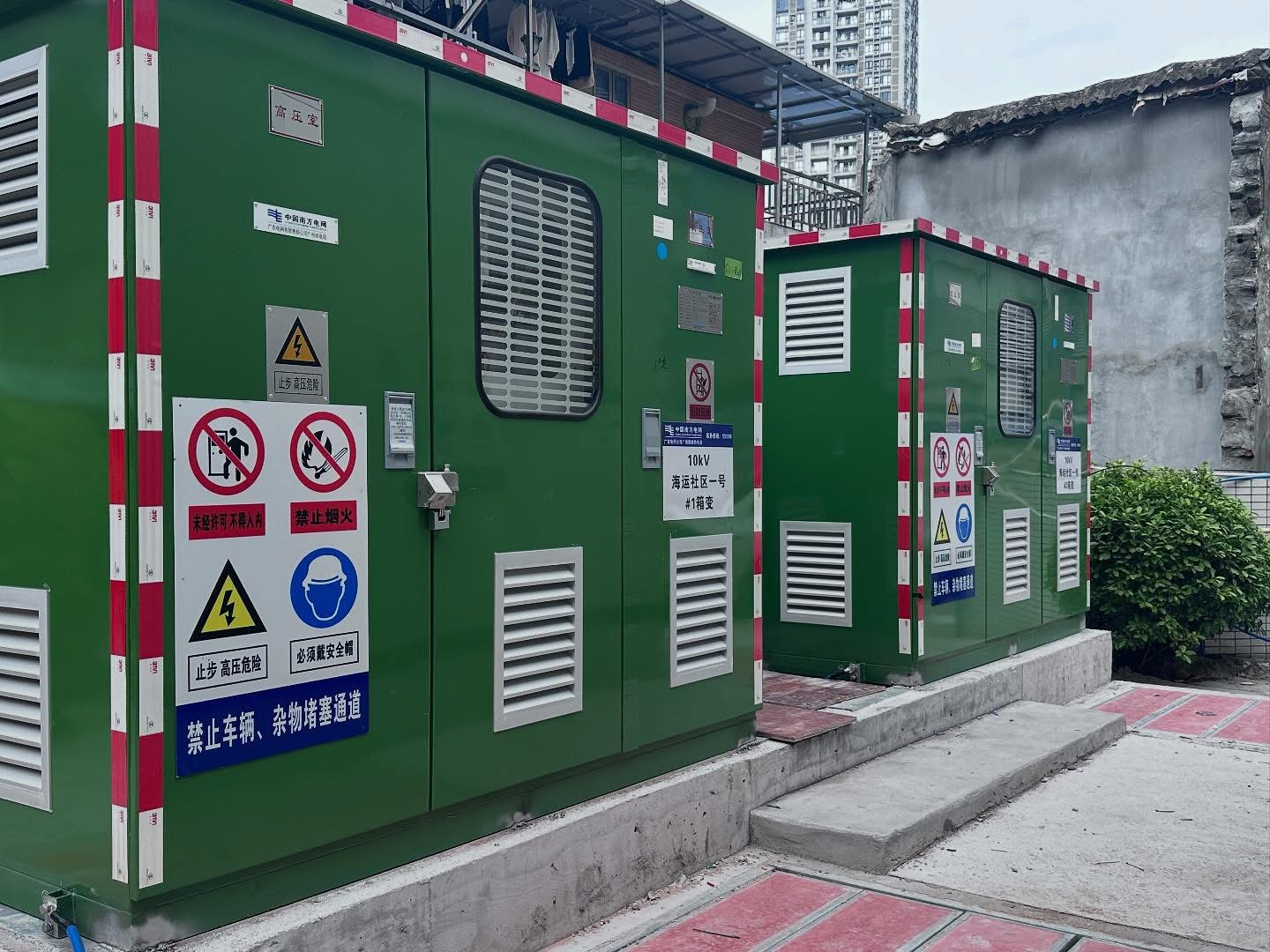
To ensure the safety of outdoor power distribution cabinets, communication cabinets, and other facilities, and to prevent equipment malfunctions or safety accidents caused by illegal opening or environmental factors, the padlocks used must possess high security, high weather resistance, and long-term reliability. This specification clarifies the specific requirements for outdoor electrical cabinet padlocks in terms of materials, structure, performance, and management.
2. General Requirements
Dedicated Locks for Dedicated Use: The use of ordinary door locks or low-security indoor padlocks is strictly prohibited.
Unified Standards: Within the same management area, outdoor electrical cabinet padlocks should be of as uniform specifications and models as possible to facilitate management and emergency operation.
Reliability Priority: While ensuring safety, products with low failure rates and ease of operation should be prioritized.
3. Core Technical Requirements
3.1. Materials and Surface Treatment
Lock Body Material: High-strength stainless steel, such as 304 stainless steel or higher-grade 316 stainless steel, must be used to resist corrosive environments such as acid rain and salt spray. The use of iron, copper, or easily corroded alloys is strictly prohibited.
Lock shank (hook) material: Must also be high-strength stainless steel, with a diameter not less than 12mm, to enhance resistance to shearing and prying.
Lock cylinder interior: Critical components such as the lock cylinder pins and springs should be rust-proof and wear-resistant.
Surface treatment: The lock body surface should undergo proper treatment, such as polishing, brushing, or the application of a special anti-corrosion coating (such as Teflon coating), ensuring it does not easily fade, peel, or rust under sunlight and rain.
3.2. Structure and Protection Rating
Protection rating: Must reach IP67 or higher. Ensure complete protection against dust intrusion and withstand short-term immersion in one meter of water without impact.
Pry-resistant structure:
The junction of the lock shank and lock body should feature a double-hook design or an embedded structure to minimize the space required for prying.
The lock body should have anti-saw and anti-shear sleeves to protect the base of the lock shank.
Dustproof and Waterproof Design: The keyhole of the lock cylinder must have a waterproof and dustproof cover. This cover should automatically reset via a spring or rubber component to effectively prevent rainwater and sand from entering the lock cylinder.
Lock Beam Length: The length should be selected based on the actual dimensions of the electrical cabinet's lock lug to ensure minimal gap between the lock beam and the lock lug after locking, reducing the possibility of lever attacks.
3.3. Lock Cylinder and Key System
Lock Cylinder Type:
Preferred: Flat key (blade lock cylinder). Compared to traditional pin tumbler lock cylinders, blade lock cylinders offer higher resistance to technical picking and have a higher tolerance for dust and foreign objects, making them more suitable for outdoor environments.
High Security Level: Magnetic lock cylinders or high-security pin tumbler lock cylinders are also acceptable, but their environmental adaptability needs to be verified.
Key System:
Mutual Opening Rate: Must be below 0.1%, meaning there should be no mutual opening within a thousand locks.
Management Method: A group-based key management system is recommended, such as:
One key opens multiple locks (KA): Facilitates maintenance personnel managing multiple electrical cabinets.
Master Key System (MK): Senior administrators possess a master key that can open all locks, while area administrators only have keys for their specific areas.
Key Numbering: Each lock and its matching key should have a unique and clear number for easy filing and management.
3.4. Mechanical Performance
Break Strength: The lock shank must withstand a lateral shear force of at least 30,000 Newtons.
Durability: The lock should pass ≥10,000 trouble-free opening and closing tests.
Operating Force: In harsh environments (such as low temperature and humidity), the key opening torque should not be excessive to ensure normal opening.
4. Management and Usage Requirements
Filing and Registration: All padlocks should be numbered and registered, recording installation location, key number, and management personnel information.
Personal Responsibility: Keys must be kept by designated personnel, with proper registration procedures for issuance and return. Unauthorized key duplication is strictly prohibited.
Regular Inspection: The condition of padlocks should be included in the daily inspection of the electrical cabinet, checking for rust, operational malfunctions, signs of damage, etc.
Scrapping and Replacement: If a lock is found to be damaged, a key is lost, or the security level no longer meets the requirements, it should be scrapped immediately and replaced with a new lock. At the same time, the key management record should be updated.
Copyright © 2026 Foshan Wenrui Lock Industry Technology Co., Ltd. - aivideo8.com All Rights Reserved.

